
Say Early if This Is Your Only Bathroom
The most useful practical detail may be that there is no second toilet or shower. Tell us at the start, alongside the design changes you want. Do not assume the toilet will stay usable throughout a refit or that the shower can be used each evening.
We discuss the agreed work and when facilities may be unavailable before fitting begins. If someone in the household relies on particular access or washing arrangements, explain what they need. Our bathroom installation service brings that conversation together with the layout and products, rather than treating daily life as an afterthought.
How the Fitting Stages Fit Together
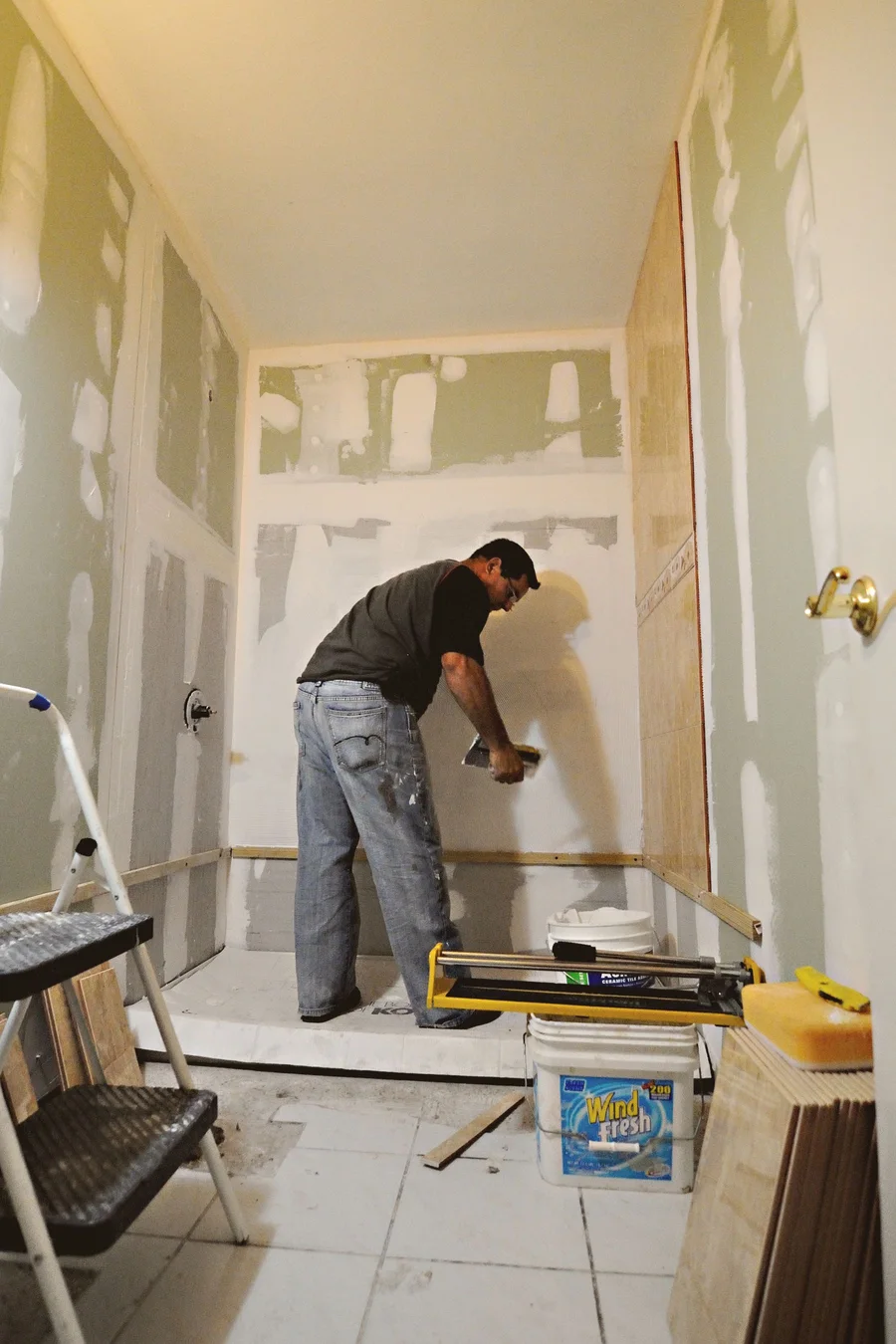
A refit can involve removal, preparation, changes to services, wall and floor finishes and fitting the new suite. The order depends on the room and products. Some materials also need time before the next stage or before they can be used; the relevant product instructions and agreed fitting plan matter.
The fitting arrangements depend on the products and work for your room. A straightforward replacement and a room with hidden damage are different jobs. Ask what needs to happen before each stage moves on and how you will hear about a change, so your household plans follow the proposed work.
Bring Deliveries Into the Fitting Plan
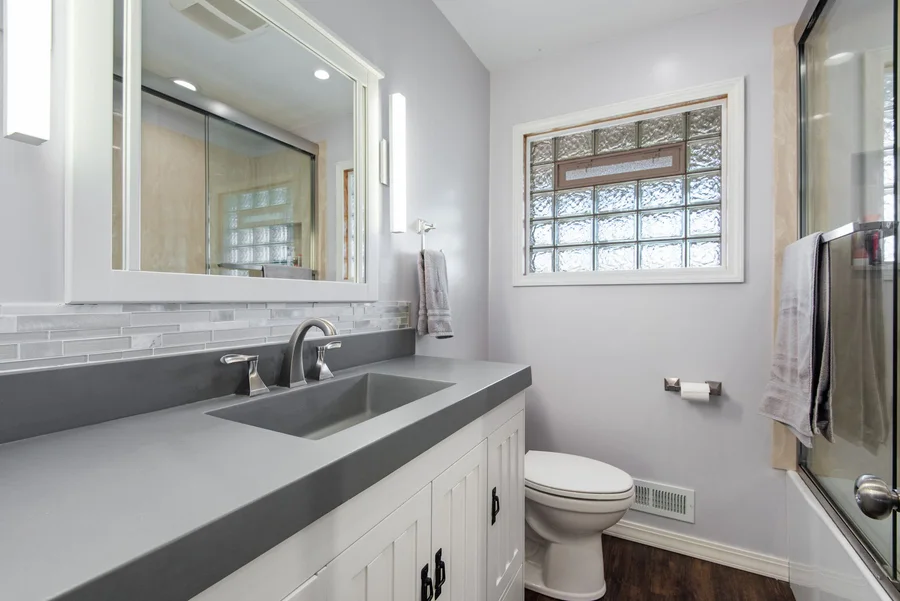
A basin that has arrived is not necessarily a complete vanity ready to fit. Furniture, taps, screens and other parts need to match the agreed choices. Discuss who is supplying each item, who checks deliveries and what happens if a product is missing or damaged.
If you are supplying something yourself, say so before the quote and schedule are agreed. Keep the product details available, including dimensions and fitting information. This helps connect the item to the planned room instead of leaving a surprise for the point when it is needed. Avoid arranging unrelated deliveries into the same narrow access route.
Walk Through the Route to the Bathroom
Think beyond the front door. A stair turn, shared close, narrow hallway or furniture on a landing can affect the route for a bath or shower screen. Tell us the floor level, any lift access and any restrictions on using shared entrances or landings. We can then discuss delivery and removal with the fitting work before products are chosen.
Agree How the Rest of the Home Will Be Used
Discuss the route through occupied rooms, where products can wait and which belongings need moving before work starts. Clear personal items from the bathroom in advance, including drawers and cupboards that are coming out. Keep everyday toiletries somewhere you can reach without entering the work area.
Children and pets need to be kept away from tools, loose materials and the fitting area. If you work from home, discuss which rooms are close to the work and any particular access arrangements. Do not plan an important call on the assumption that a bathroom refit will be quiet.
Make the Small Decisions Before They Hold Up Fitting
Mirror position, towel storage and the place for shower bottles are easier to discuss as part of the design. Changing a fitting after the surrounding work has been agreed may affect both the work and the price. Keep a record of the products and choices you have accepted.
Our small bathroom layout guide is useful even if your room is not especially small: it explains why openings, standing space and storage belong together. Bring any remaining design questions to us before the fitting arrangements are finalised, rather than hoping they can all be solved on the day.

Know How a Change Will Be Explained
Once old surfaces come off, damage that was not visible may need attention. Agree how an extra repair will be explained and priced before the work changes. A clear conversation should identify what has been found, what needs doing and how it affects the proposed job.
The same approach helps if a delivery issue or a customer change affects the sequence. Our guide to understanding an itemised bathroom quote explains why products, exclusions and changes need to be clear. Clear updates help you understand what happens next and make any decisions needed for your room.
Ask How to Use and Care for the New Room
Before using the finished bathroom, go through the checks and care information for the work and products supplied. Ask when surfaces can be used, how the shower controls operate and how to clean the chosen furniture and wall finishes. Follow the instructions that apply to your products rather than a generic cleaning tip.
Make sure you understand the ventilation controls too. Energy Saving Trust explains that bathroom extraction helps remove moisture; discuss how the system fitted in your room should be used. Keep product information somewhere easy to find, and raise any questions about the completed work through the contact arrangements agreed for your job.
Before putting everything back, check which everyday items now belong in each drawer or shelf. Keep cleaning products suitable for the new finishes and avoid covering ventilation openings with stored towels. A little attention to where things go helps the finished layout remain useful once the room is in daily use.